
Painkillers are among the most commonly used medications in our daily lives. When we reach for them during a headache, toothache, or muscle pain, how do they find where the pain is? The truth is, painkillers don't specifically "find" the location of pain — instead, they work by affecting the body's pain perception mechanism.
How Is Pain Perceived?
Pain is a natural warning mechanism the body produces in response to damage or injury. Damaged tissue releases chemicals like prostaglandins. These chemicals stimulate nerve endings, sending pain signals through the spinal cord to the brain. The brain interprets these signals and allows us to feel pain in the affected area.
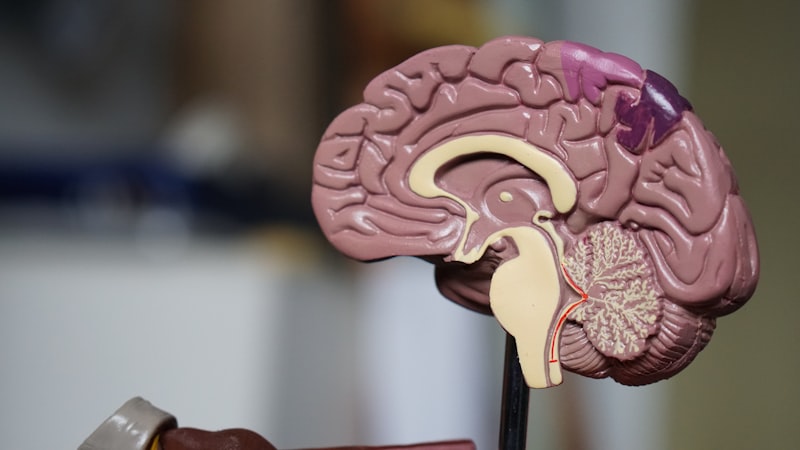
NSAIDs: Extinguishing the Fire at the Source
Non-steroidal anti-inflammatory drugs like ibuprofen and aspirin work by blocking prostaglandin production. They inhibit the enzymes (COX-1 and COX-2) responsible for creating these pain-causing chemicals. The drug spreads throughout the body via the bloodstream but shows its most pronounced effect at damaged areas where prostaglandin production is highest.
Paracetamol: Turning Down the Brain's Pain Switch
Paracetamol (acetaminophen) acts on the brain regions that perceive pain signals. It reduces pain sensation through its effect on the central nervous system but has weak anti-inflammatory properties. It's preferred for non-inflammatory headaches and fever reduction.
Opioids: Completely Changing Perception
Opioid painkillers like morphine and codeine work by binding to opioid receptors in the central nervous system. They directly alter the brain's capacity to perceive pain and significantly reduce pain sensation. Used for more serious pain and post-surgical conditions, they must be used carefully due to addiction risk.

A Common Misconception
Painkillers don't target a specific area. They spread throughout the entire body via the bloodstream and activate the same mechanism everywhere. Because prostaglandin concentration is higher around damaged tissue, the drug shows a more pronounced effect there — but this isn't the drug "finding" the pain, it's a natural consequence of chemical processes.
Understanding how painkillers work helps you use them more consciously. Knowing which type is more suitable for which pain prevents unnecessary medication use and increases treatment effectiveness. When in doubt, always consult a healthcare professional.