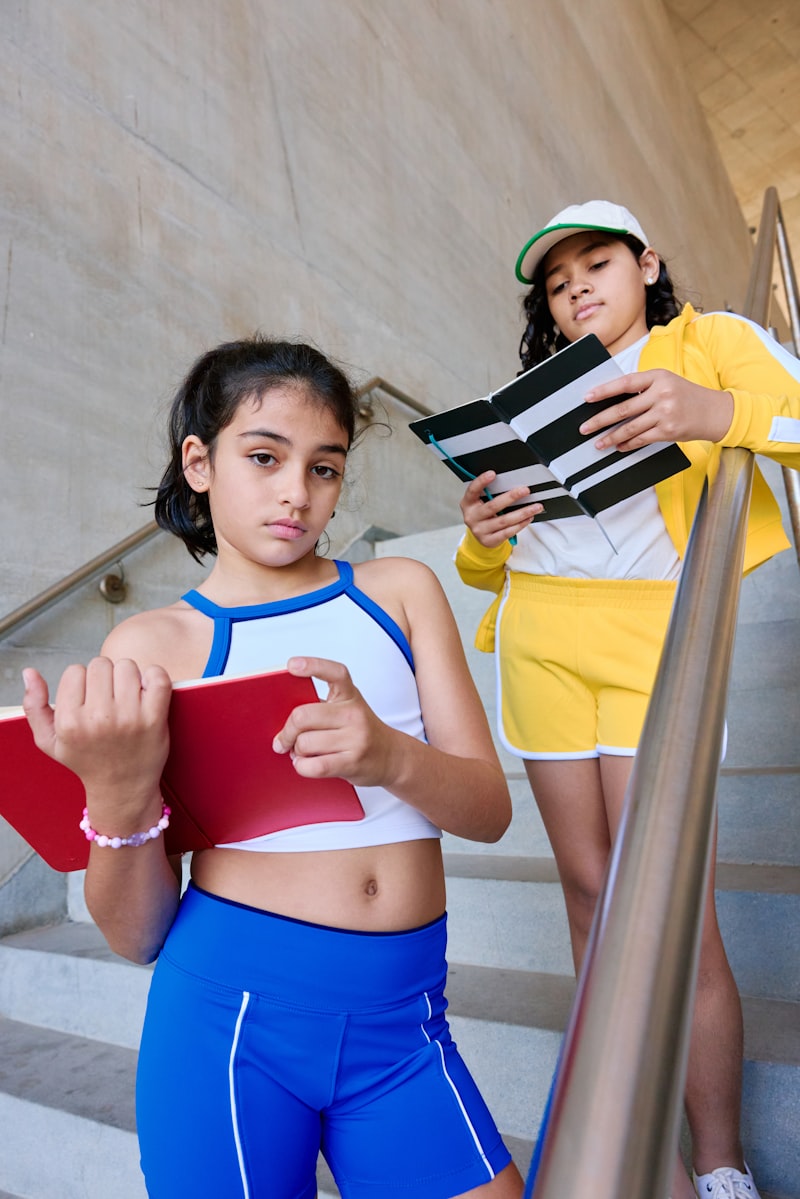
The development process for children and young people is not limited to classroom lessons. Extracurricular activities play a critical role in physical, emotional, social, and mental development. Beyond academic success, these activities are essential for discovering personal talents, building confidence, and developing life skills.
Development of Social Skills
Team games, theater groups, music, and dance enable children to collaborate with others, interact with different personalities, and develop leadership skills. Empathy strengthens, and effective communication within groups is learned. Working with children from different cultures helps develop tolerance and understanding.
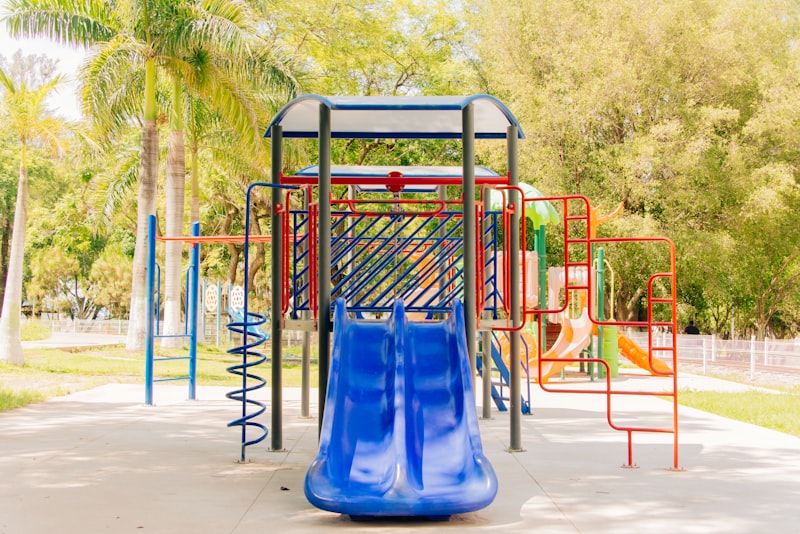
Physical and Mental Development
Sports develop children's motor skills, improve overall health, and increase energy levels. Strategic games like chess enhance analytical thinking, while art and music strengthen creative thinking and aesthetic perception.
Confidence and Self-Discovery
When children succeed in an activity, they recognize their own abilities, which motivates them to put in more effort. Performing on stage, playing an instrument, or being part of a team develops the ability to express oneself confidently — an important advantage in both personal and professional life.

Time Management and Responsibility
Balancing school, homework, and personal interests requires children to be organized and disciplined. Regular participation in activities builds a sense of responsibility that forms the foundation for success in all areas of life.
Extracurricular activities that allow your child to explore their interests shape not just their present but their future. What matters is finding an area where the child has fun, feels curious, and can express themselves.