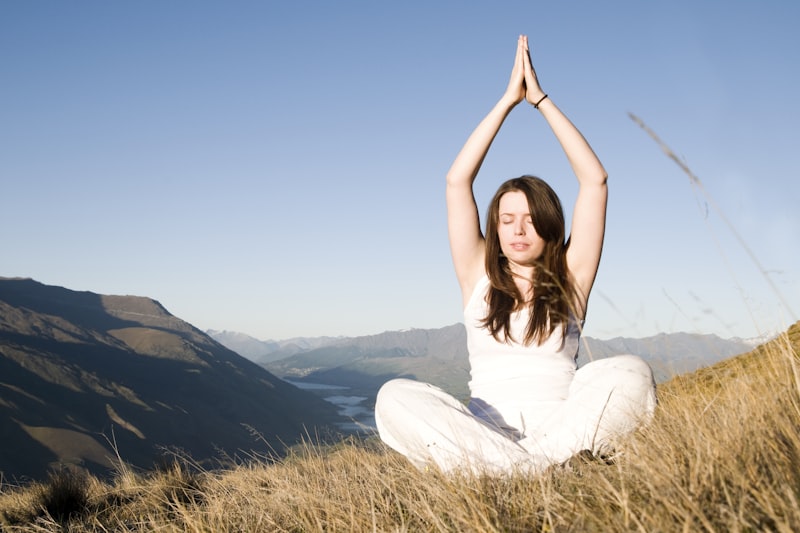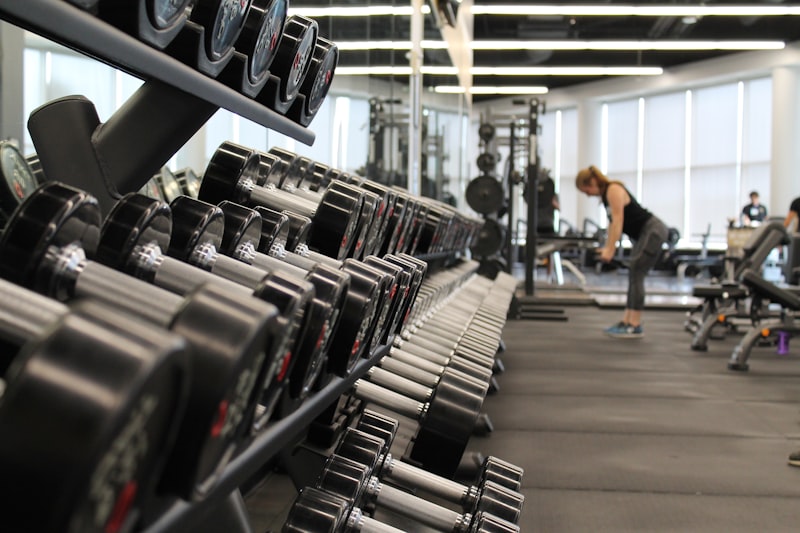
Most people think of flexibility as something only gymnasts or yoga practitioners need. In reality, functional flexibility is a critical physical skill involved in every moment of daily life — from picking up a grocery bag to climbing stairs. When your muscles and joints can work through their full range of motion, both your performance improves and your injury risk decreases.
What Is Functional Flexibility?
Functional flexibility refers to the range of motion muscles and joints need for daily activities and sports movements. Unlike static flexibility (holding a position for a long time), it describes dynamic and active movement capacity. This type of flexibility helps the body adapt to real-life conditions.
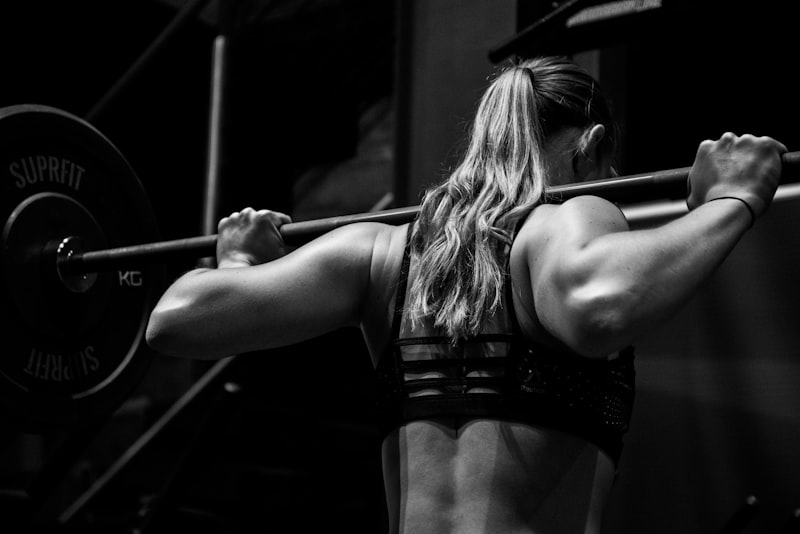
The Role of Flexibility in Sports
- Greater range of motion: Longer strides, deeper squats, smoother strokes — flexibility directly affects your technical quality.
- Injury prevention: Flexible muscles and tendons are more resistant to tears and sprains during sudden movements.
- Recovery speed: Regular stretching reduces post-exercise muscle stiffness and accelerates recovery.
Flexibility in Daily Life
Having a flexible body significantly reduces your likelihood of experiencing issues like back pain, neck stiffness, and joint rigidity. Regular stretching routines are especially important for those who spend long hours at a desk, helping prevent chronic pain.
Ways to Improve Flexibility
- Dynamic warm-up: Before training, do leg swings, arm circles, and walking lunges.
- Static stretching: After training, stretch each muscle group for 20-30 seconds.
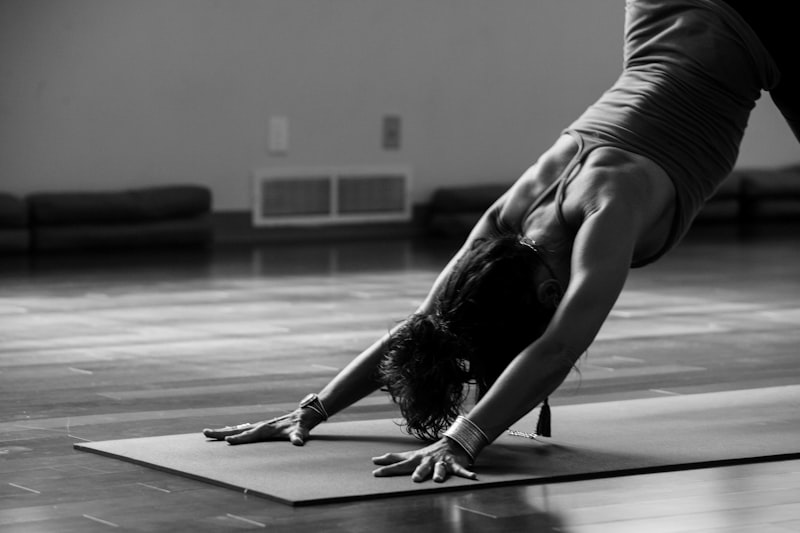
- Yoga and mobility work: 2-3 sessions per week make a noticeable difference in flexibility.
- Foam roller use: Breaks up adhesions in muscle tissue and increases range of motion.
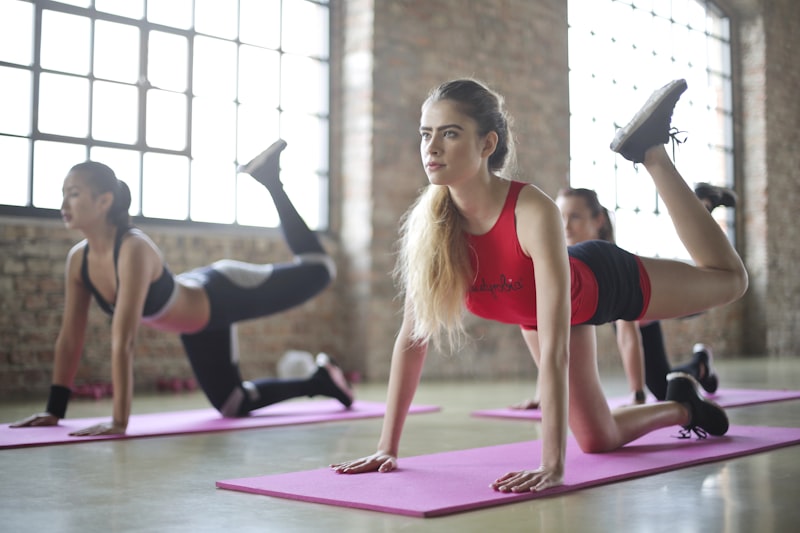
Flexibility is not a trait gained overnight; it requires regular and patient practice. But every minute invested is a long-term return your body will pay back. You can start feeling the difference today by beginning with just a few minutes of stretching.