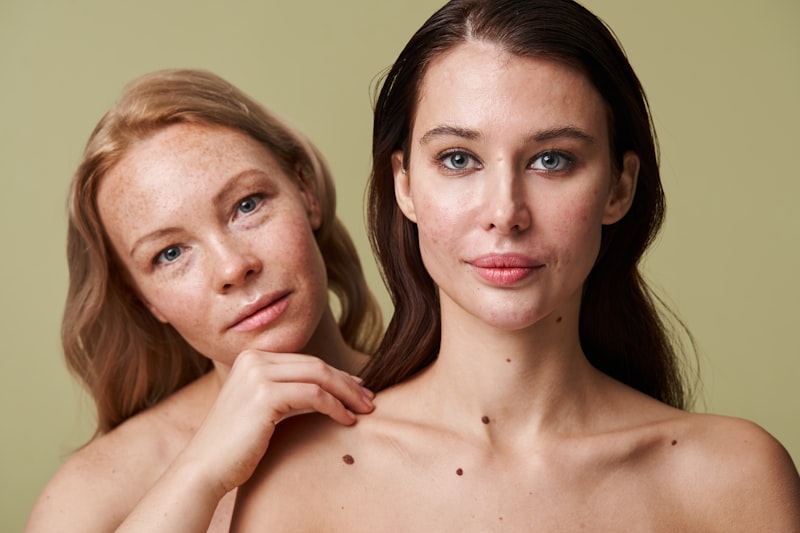
Sun spots are dark hyperpigmentation areas that appear on sun-exposed areas of the skin. They're most common on the face, hands, shoulders, and décolletage. Beyond being an aesthetic concern, sun spots are a warning signal of UV damage and carry important information about skin health.
Why Do Sun Spots Form?
When skin is exposed to UV rays, it increases melanin production to protect itself. Prolonged and repeated sun exposure causes melanin to accumulate in certain areas, leading to spots. As we age, the skin's renewal capacity decreases and these spots become more prominent.

Risk Factors
- Light skin tone: More sensitive to UV damage due to lower melanin levels.
- Not using sunscreen: Unprotected sun exposure is the biggest risk factor.
- Tanning bed use: Artificial UV rays are as harmful as natural sunlight.
- Hormonal changes: Pregnancy, birth control pills, and menopause can trigger spots.
Prevention Methods
- Sunscreen: Use at least SPF 30 sunscreen every day, even on cloudy days. Reapply every 2 hours.
- Protective clothing: Wide-brimmed hats, sunglasses, and long-sleeved garments provide physical barriers.
- Avoid peak hours: Sun rays are strongest between 10 AM and 4 PM.
- Antioxidant care: Vitamin C serum and niacinamide products provide additional skin protection.

Treatment Options
For existing sun spots, dermatologists may recommend various treatments: chemical peels, laser therapy, IPL (intense pulsed light), microneedling, and topical brightening creams (hydroquinone, arbutin, kojic acid). Treatment choice depends on spot depth and skin type.
While sun spots are usually harmless, any spot that changes in size, color, or shape requires a dermatologist's evaluation. Every step you take today to protect your skin is the foundation for tomorrow's healthy, youthful-looking skin.