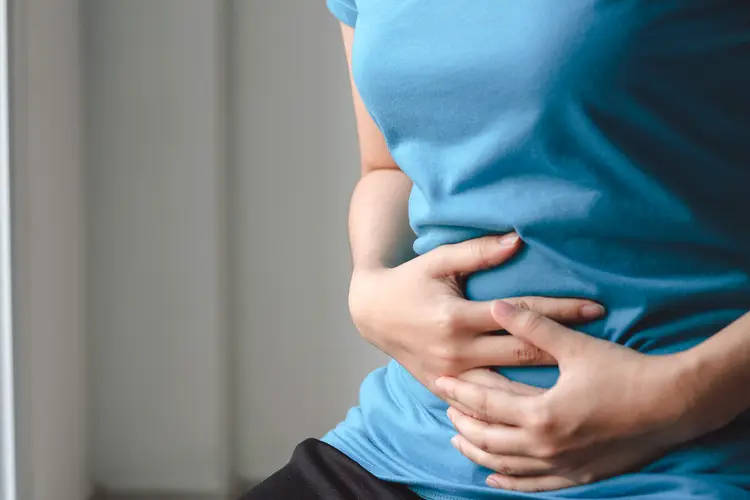
While stomach growling is often associated with hunger, it's actually the result of a natural function of our digestive system. That familiar sound isn't your stomach crying "I'm hungry" — it's part of your body's self-cleaning process.
The Real Cause of Growling
When the stomach is empty, the digestive system performs wave-like movements called peristaltic contractions. These movements push food remnants, digestive fluids, and bacteria from the stomach toward the small intestine. This process typically lasts 90-120 minutes and helps the body clean the digestive system and prepare for the next meal.
Should You Eat Immediately?
Interpreting stomach growling as a hunger signal is a common mistake. Eating during this process can interrupt the digestive system's cleaning operation. The digestive system works most effectively when empty. Frequent snacking habits can weaken this natural cleaning mechanism.
SIBO: The Hidden Cost of Snacking
Frequent snacking and interruption of the cleaning process can lead to excessive growth of bacteria in the small intestine. Known as SIBO (Small Intestinal Bacterial Overgrowth), this condition can cause serious health issues:
- Bloating and gas
- Fatigue and low energy
- Vitamin deficiencies
- Weakened immune system
- Increased stress
Since 95% of serotonin — the happiness hormone — is produced in the gut, disruption in this process can also negatively affect your mood.
The Right Approach
- Meal intervals: Allow at least 3-4 hours between meals.
- Avoid unnecessary snacking: Growling = cleaning, not hunger.
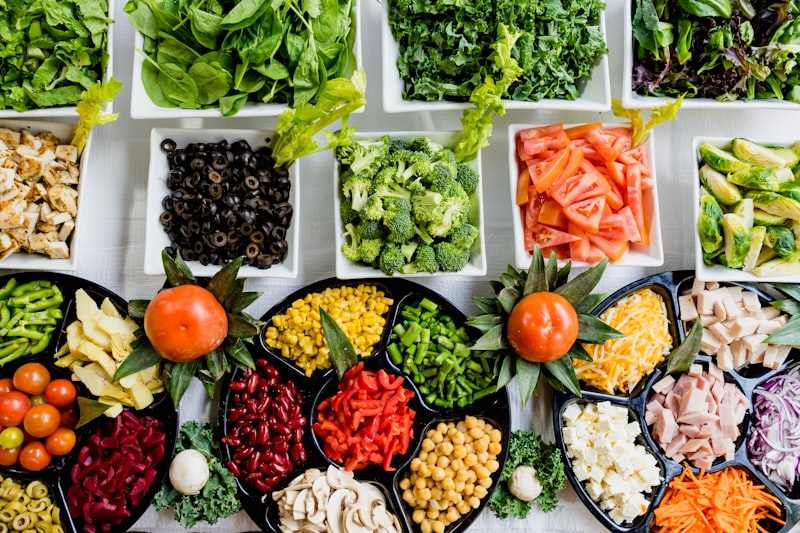
- Fiber intake: High-fiber, unprocessed foods support gut health.
- Drink water: Adequate water consumption facilitates digestion.

Your body communicates with you — sometimes by growling. Instead of silencing this sound, listening to it and allowing your digestive system to complete its natural cleaning cycle is far more beneficial for both your physical and mental health in the long run.