Therapy Through Brushstrokes
Applying color to a canvas isn't just a hobby — it's also a powerful form of therapy. Art therapy is an evidence-based treatment used by psychologists worldwide. So what are the effects of painting on mental health?
Stress Reduction
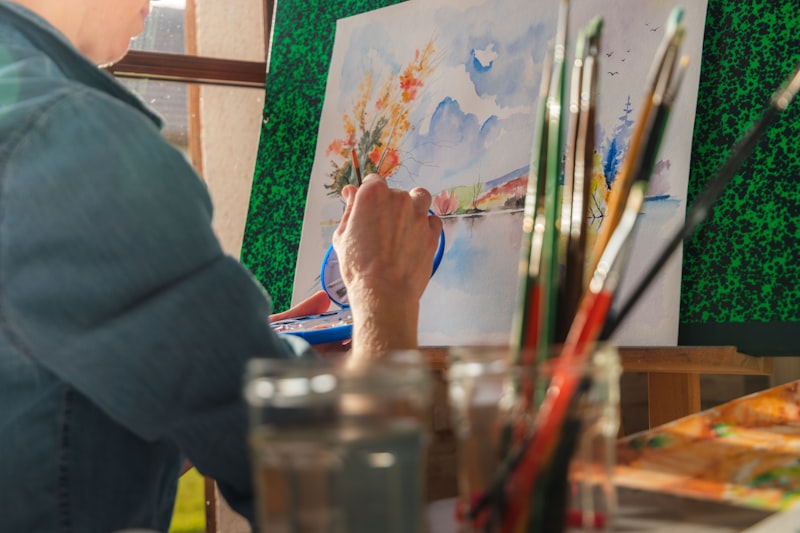
According to Drexel University research, just 45 minutes of painting significantly reduces cortisol (stress hormone) levels. Interestingly, this effect is independent of artistic ability — professional artists and beginners see the same benefits.
Emotional Expression
Sometimes words aren't enough. Painting is a powerful way to externalize emotions you can't express verbally. It's especially helpful for:
- Post-trauma recovery processes
- Anxiety and depression management
- Grief and loss processing
- Anger management
Through colors, shapes, and textures, it's possible to discover subconscious emotions.
Flow State
Have you ever lost track of time while painting? This is the "flow state" described by psychologist Mihaly Csikszentmihalyi. In this state, the brain releases endorphins, anxiety decreases, and a deep sense of satisfaction forms. Painting is one of the easiest activities to achieve this state.
How to Start?
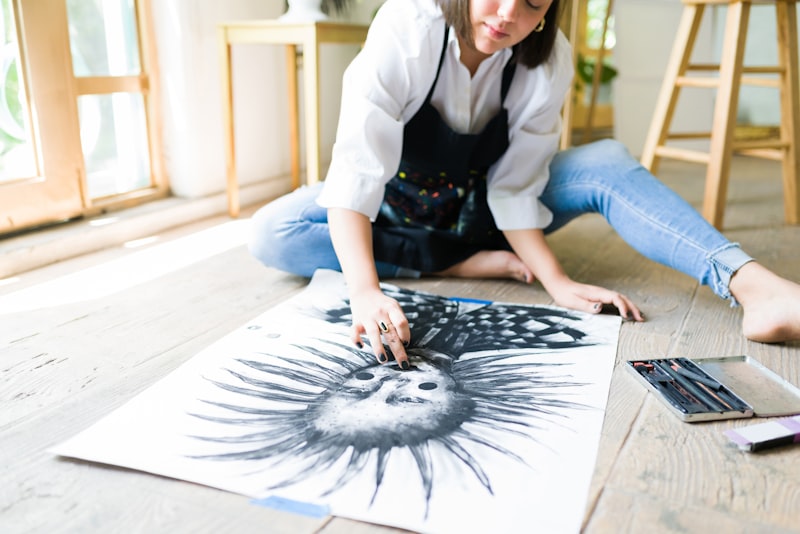
You don't need to be an artist to paint. A notebook, some pencils, or a watercolor set is enough. There's no such thing as "wrong" — the process matters far more than the result. Mandala coloring, free drawing, or nature sketches are great starting points.
How about grabbing some paper and pencils tonight and drawing whatever comes to mind? Sometimes all it takes to calm the storm in your brain is a single brushstroke!