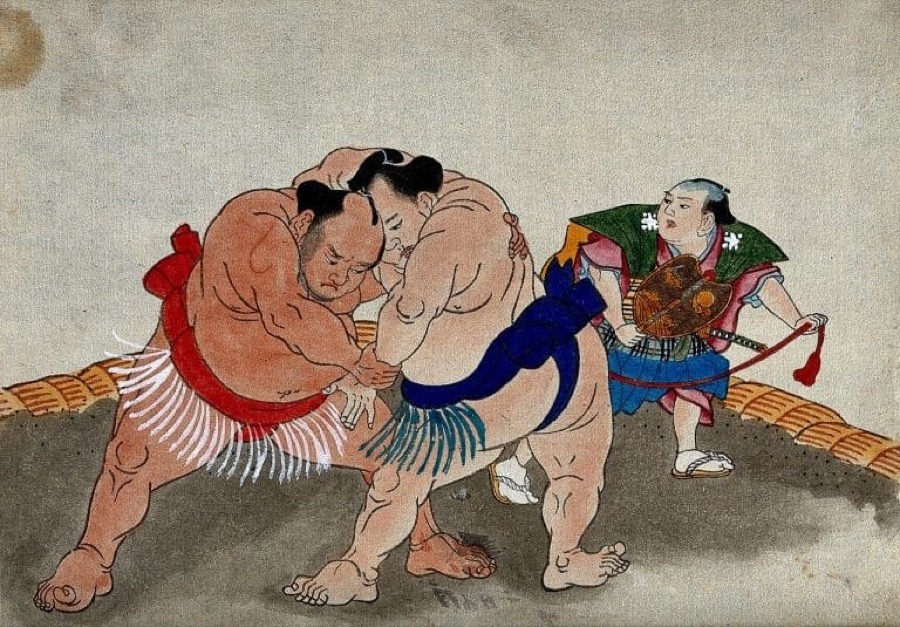
When Japanese martial arts come to mind, people usually think of swords or kung-fu. Yet Japan's true national sport is Sumo — a discipline built on the explosive power of massive bodies colliding for just a few seconds. From the outside it may look like two heavyset men trying to push each other out of a ring, but at its core Sumo holds thousands of years of belief, astonishing flexibility, a strict diet and unshakable mental training. What philosophy lies behind this sandy arena where giants collide?
From Shinto Rituals to the Sandy Arena: The Journey of Sumo
The roots of Sumo go back to Shintoism, Japan's indigenous faith. Early Sumo matches were held at temples to entertain the gods (Kami) and pray for a bountiful harvest. Even today, the Sumo arena, the "Dohyo", is considered sacred ground.
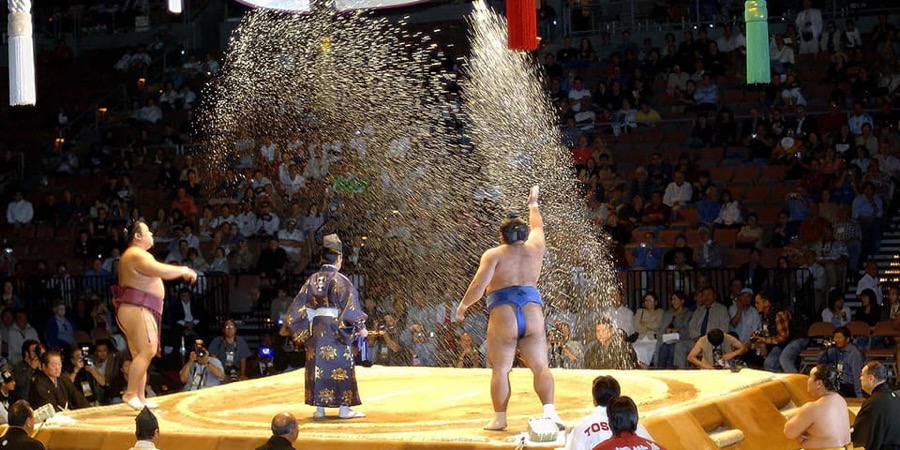
Wrestlers throwing salt before a match (to purify the ring of evil spirits) and lifting their legs high to stomp hard on the ground (the Shiko movement) are not just warm-ups — they are religious rituals. Even the traditional Shinto priest attire worn by referees is a living testament to this ancient bond.
Victory on the Dohyo and the Weight of Being a "Yokozuna"
In a Sumo match, victory comes from either pushing your opponent outside the sandy ring (Dohyo) or causing any part of their body other than the soles of their feet (knee, hand, head and so on) to touch the ground.
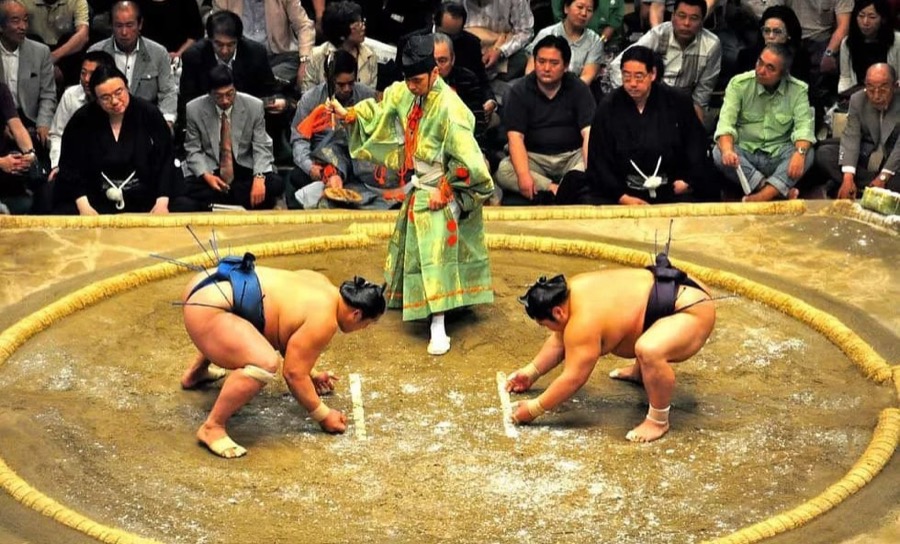
Wrestlers who reach the top of this hierarchy during these explosive clashes, which last only seconds, earn the title of "Yokozuna" (Grand Champion). Becoming a Yokozuna is not merely about possessing raw power; it also means demonstrating impeccable ethics, respect and character. Unlike other ranks, a Yokozuna is never demoted — if performance declines, they are expected to retire with honour. This rule lays bare the philosophical weight of Sumo.
The Lifestyle of Giants: Diet, Health and Training
Sumo wrestlers (Rikishi) live in strict hierarchy in training stables called "Heya", far from the noise of the modern world. The practice sessions that begin at the first light of dawn shape not only physical mass but also the athlete's character. Despite their huge bodies, Sumo wrestlers possess extraordinary flexibility — enough to fully split their legs to the sides.
Sumo is far beyond brute force; it is a path that pushes the body's limits while refining the spirit through tradition. It reminds us that standing firm and staying rooted can be just as powerful a posture as speed and agility.
The Building Blocks of Sumo
- The Chanko Nabe Diet: The enormous bulk of wrestlers is not built on junk food but on Chanko Nabe — a vast traditional stew brimming with protein, vegetables and meat. Despite being very high in calories, the diet is rich in nutrients and well balanced.
- Explosive Power and Flexibility: A Sumo bout typically lasts 5–10 seconds. This demands not long cardiovascular endurance but instant, explosive muscle power, flawless balance and high flexibility.
- The Mawashi and Strategy (Kimarite): The silk or cotton belt wrestlers wear is called the "Mawashi". Grabbing the opponent by this belt is the most basic strategy. Sumo features more than 80 official winning techniques called "Kimarite" (pushing, throwing, tripping). It is not just brute force — it is reading the opponent's move.
- Hierarchical Training and Mental Discipline: Young recruits entering the Heya serve senior wrestlers, clean and cook. This system is a demanding character training that teaches the dissolution of ego, respect for the master and perseverance.