Have you ever wondered why your eyes start closing at a certain time every night and you wake up at roughly the same time every morning? This is not a random process. Our body possesses a remarkably sophisticated internal clock mechanism that precisely regulates our sleep-wake cycle.
Circadian Rhythm: The Body's Internal Clock
The circadian rhythm is our biological clock that operates on an approximately 24-hour cycle. The word "circadian" comes from the Latin phrase "circa diem," meaning "about a day." This rhythm affects not only sleep patterns but also body temperature, hormone secretion, digestive processes, and even our mood.
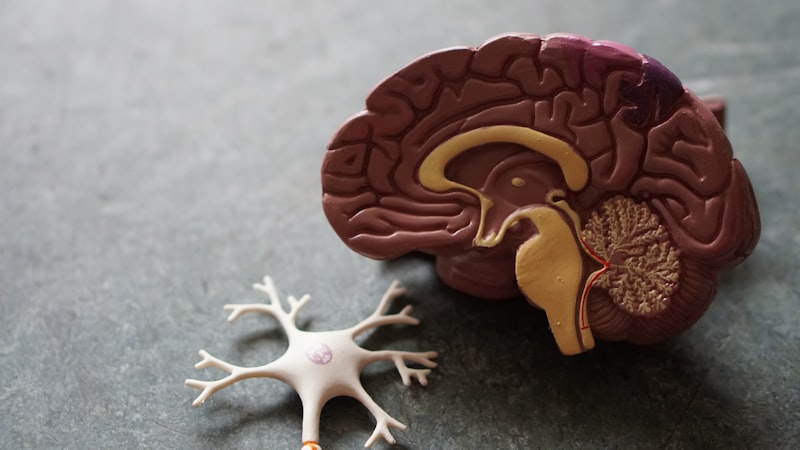
The center of this internal clock is a tiny cluster of neurons called the suprachiasmatic nucleus (SCN), located in the hypothalamus region of the brain. The SCN consists of approximately 20,000 nerve cells and serves as the body's "master clock."
Light: The Most Powerful Timekeeper
The most important external stimulus for our biological clock is light. Scientists call this a "zeitgeber" (German for "time giver"). Here's how it works:
- Morning light: Sunlight perceived through our eyes sends a "daytime has begun" signal to the SCN. This suppresses melatonin production and awakens the body.
- Evening darkness: As the sun sets and light decreases, the SCN signals the pineal gland to produce melatonin. Melatonin, known as the "sleep hormone," prepares the body for sleep.

Melatonin: Sleep's Chemical Messenger
Melatonin is a hormone secreted by the pineal gland. Its production increases in dark environments and is suppressed by light. Melatonin levels begin rising in the evening hours, peak around midnight, and decrease toward morning. This cycle is the chemical foundation of your sleep-wake rhythm.
Challenges of Modern Life
Our natural sleep pattern conflicts with certain elements of modern life:
- Blue light: Blue light emitted from phone, tablet, and computer screens sends a "still daytime" signal to the brain, delaying melatonin production.
- Irregular schedules: Shift work, jet lag, and irregular sleep times can disrupt the biological clock.
- Artificial lighting: Exposure to bright artificial light at night disrupts the natural dark-light cycle.
Tips for Healthy Sleep
- Reduce screen use or apply a blue light filter 1-2 hours before bedtime.
- Create a regular sleep schedule by going to bed and waking up at the same time every day.
- Synchronize your biological clock by exposing yourself to sunlight in the morning.
- Keep your bedroom dark, cool, and quiet.
- Avoid caffeine and heavy meals in the evening.
Waking up more energized and feeling alert throughout the day isn't as hard as you think. Go to bed at the same time every day, get morning sunlight, and reduce screens at night. Listen to your biological clock — it already knows what to do.