
In today's globalized world, knowing a foreign language has become a great advantage for children. The process of learning a foreign language not only contributes to their mental development but also offers them important opportunities in academic and social life. So why should foreign language education start at an early age, and how can this process be made more effective?
Advantages of Learning a Language at an Early Age
Children are more inclined to learn languages at an early age. The language processing area of their brain is extremely flexible during this period, and the process of learning a new language occurs more naturally. Language education started at this age:
- Strengthens Language Skills: Children who learn a foreign language at an early age are more successful in terms of pronunciation and vocabulary. They easily perceive new sounds and can speak like a native.
- Contributes to Mental Development: Learning a second language develops children's cognitive skills such as problem-solving, creativity, and analytical thinking. Moreover, research has proven that bilingual children tend to achieve higher academic success.
- Builds Cultural Awareness: Learning a foreign language opens the door to different cultures and worldviews. This enhances children's empathy skills and makes them more open-minded individuals.
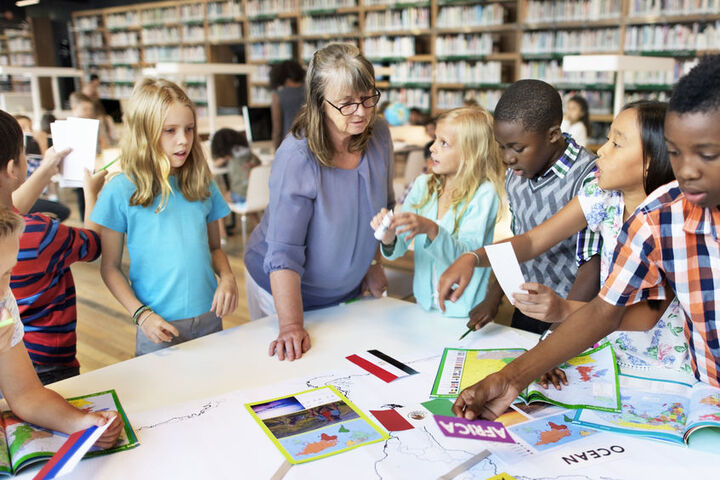
How to Support Foreign Language Learning?
For foreign language education to be effective, the right methods must be applied. Here are some points that families and educators should pay attention to during this process:
- Play and Fun-Oriented Approach: Children learn faster through games and songs. Colorful activities and interactive materials make learning enjoyable.
- Creating a Natural Environment: Using the foreign language in daily life helps the child get accustomed to language learning. For example, giving simple commands in the foreign language or reading short stories can be effective.
- Using Technology Wisely: Digital tools such as educational apps, videos, and interactive games support the learning process by capturing children's attention.
- Being Patient: Every child's learning pace is different. Rather than putting pressure on the child, it is important to let the language learning process progress naturally.

Long-Term Benefits of Foreign Language Education
Foreign language learning offers many advantages not only during childhood but also in later years of life. This skill, which provides benefits across a wide range from career and educational opportunities to social connections, builds a solid foundation for your child's future success.