64 Squares, Infinite Possibilities
Chess is one of the world's oldest strategy games, with a history spanning over 1,500 years. It's not just a game — it's also one of the most effective forms of brain exercise. The number of possible moves on a chessboard exceeds the number of atoms in the universe — that alone shows how deep this game is.
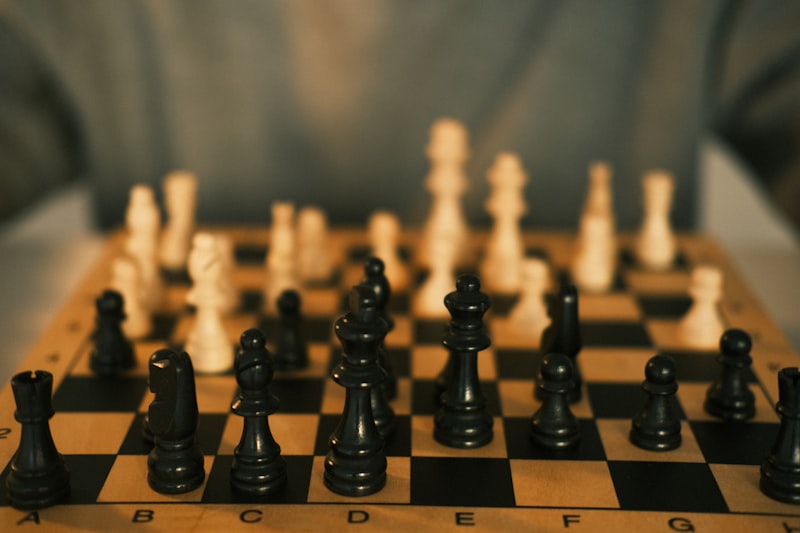
What Does Chess Do for the Brain?
Regular chess playing has scientifically proven benefits:
- Problem-solving: Every move is a problem, every strategy is a solution
- Memory enhancement: Remembering openings and patterns strengthens memory
- Concentration: Focus is essential in a game that can last hours
- Foresight: Develops the habit of thinking several moves ahead
Tips for Beginners
Starting chess is easier than you think. Here are the first steps:
- Learn how pieces move — this only takes 30 minutes
- Practice against AI on online platforms like Chess.com or Lichess
- Learn basic openings: the Italian Game and Spanish Game are great starters
- Analyze your moves after each game
Children and Chess
Many countries have now included chess in their school curriculum. Armenia became the first country to make chess a mandatory subject. Chess education in children has been observed to increase math achievement by 15-20%.

Chess Thinking in Daily Life
Chess is useful not just on the board but in life too. Skills like evaluating alternatives in decision-making, long-term planning, and seeing things from your opponent's perspective are invaluable in business.
You don't even need a chessboard to make your first move — you can start this magnificent mind sport today with a free app on your phone!