Music and the Brain: A Powerful Connection
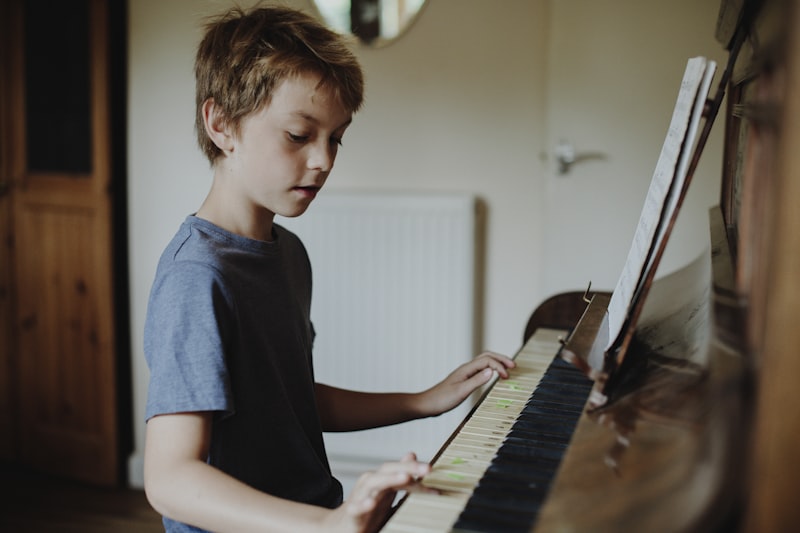
When a child presses piano keys or sings a melody, an incredible activity begins in their brain. Music education is one of the rare activities that engages multiple brain regions simultaneously. Research shows that children who receive regular music education perform better in language skills, memory, and math ability compared to their peers.
Effects on Memory and Attention
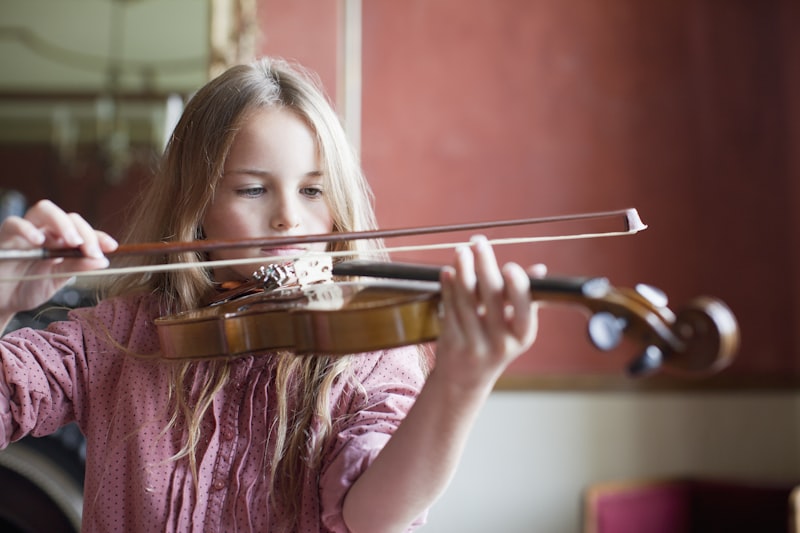
Playing music strengthens working memory. Memorizing a piece, reading notes, and coordinating fingers simultaneously — all of these activate different brain regions at the same time. According to Canadian research, children with music education have 20% stronger verbal memory.
Emotional Intelligence and Empathy
Music is a universal way of expressing emotions. Children who make music in a group:
- Learn to listen to others
- Develop teamwork skills
- Express their emotions more effectively
- Gain patience and discipline
What Age Should They Start?
Experts recommend starting music education between ages 3-7. Brain plasticity is at its highest during this period. However, it's never too late to learn music — adults can benefit from the same advantages.
Choosing an Instrument
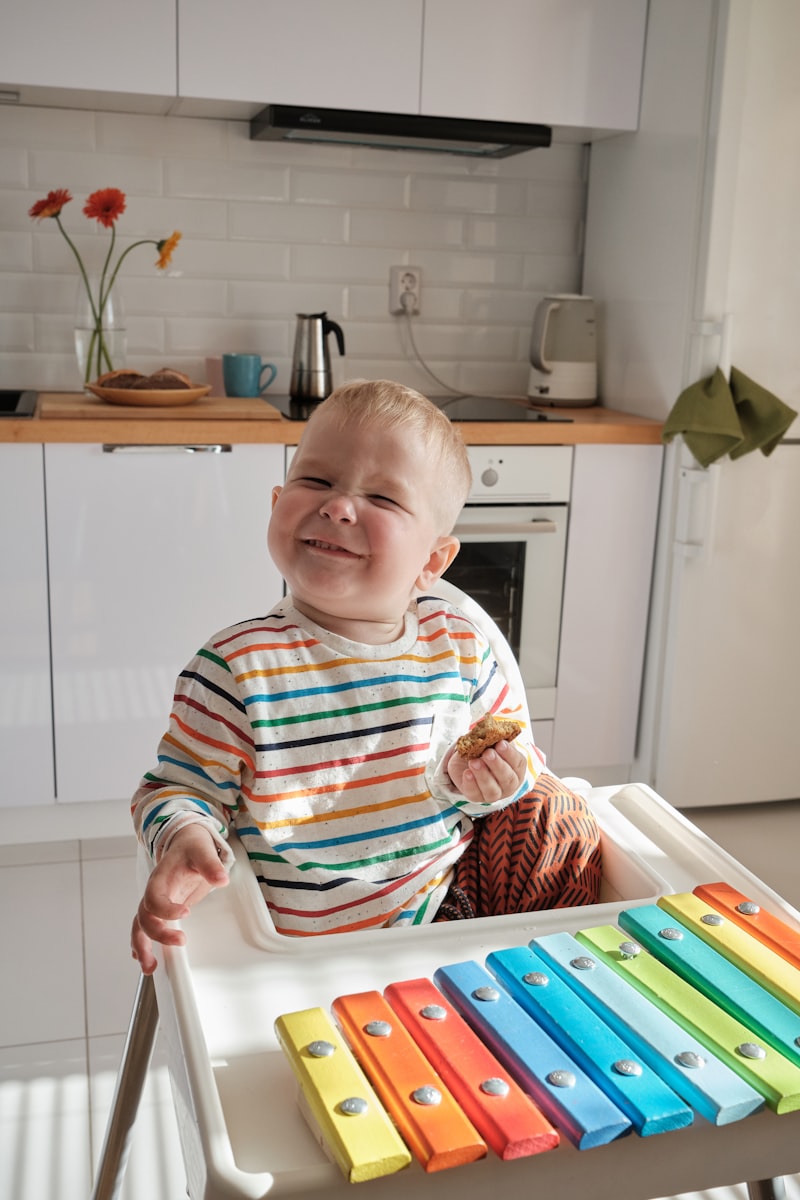
Every child has different interests. For younger children, ukulele, recorder, or percussion instruments are great starting points. What matters most is that the child enjoys it and can progress without frustration.
If you have an instrument at home, try playing a few notes with your child today — this small step could make a huge difference in their brain development!