When you step into a gym or decide to work out at home, you face dozens of options. Yoga, Pilates, CrossFit, traditional fitness, or cardio? Each has its own unique advantages, difficulty levels, and target audiences. Understanding the fundamental differences between these disciplines is key to making the right choice.
Yoga: Mind-Body Harmony
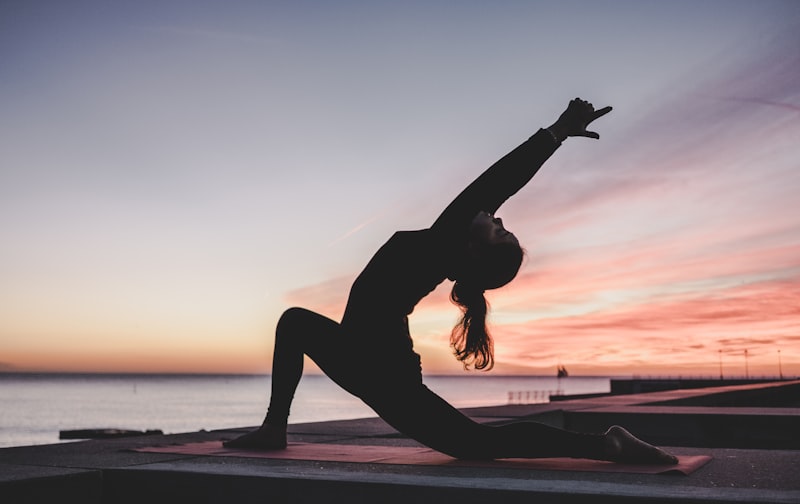
Yoga is a practice with thousands of years of history, focused on breath control and flexibility. It's ideal for those seeking stress reduction, flexibility gains, and mental clarity. Different styles like Vinyasa, Hatha, and Yin offer varying intensity levels.
Pilates: Controlled Strength
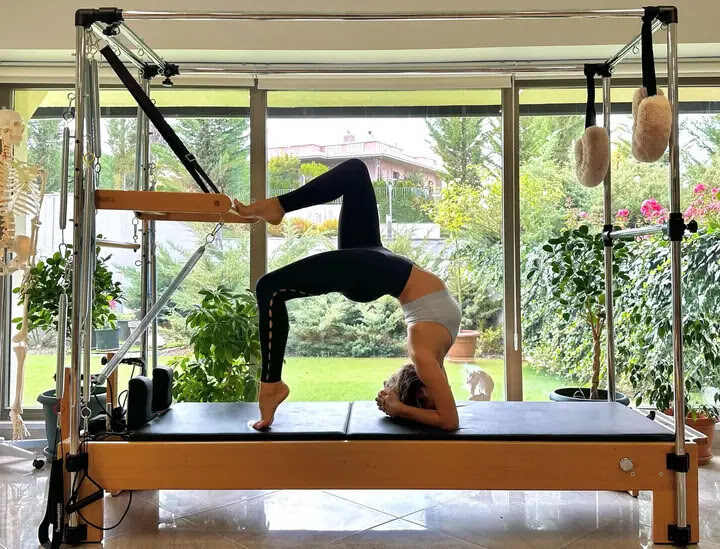
Developed by Joseph Pilates, this method focuses on strengthening the core muscle group. It offers a low-impact but intense workout, frequently chosen for posture correction and rehabilitation. It can be done on a mat or with equipment like a reformer.
CrossFit: High-Intensity Functional Training
CrossFit is a high-intensity program combining Olympic lifting, gymnastic movements, and cardio exercises. Its competitive nature and community spirit are great motivators. However, there's an injury risk without proper form; starting with an experienced trainer is important.

Fitness: Classic Weight Training
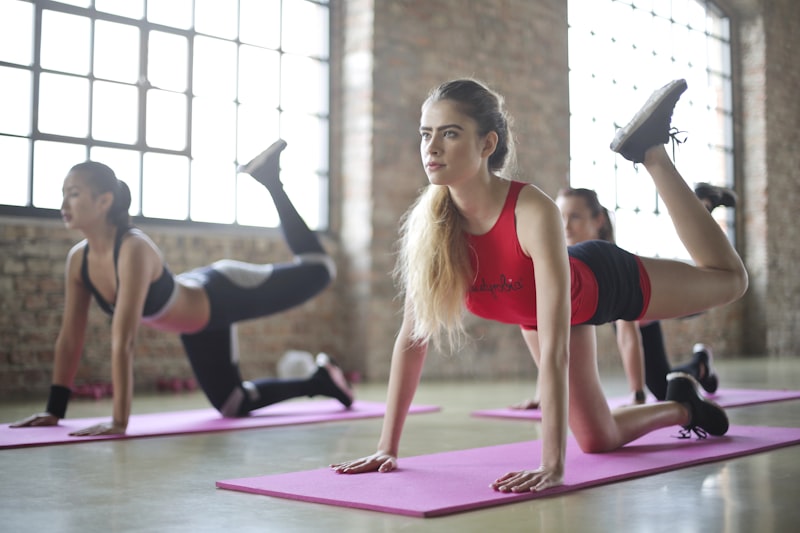
Traditional fitness involves weight training that isolates or works muscle groups with compound movements. It's one of the most common choices for those aiming to build muscle mass, gain strength, and shape their body. You can progress at your own pace.
Cardio: The Foundation of Heart Health
Activities like running, cycling, swimming, or dancing strengthen cardiovascular health and are among the most effective methods for burning calories. Health authorities recommend at least 150 minutes of moderate-intensity cardio per week.
How to Choose?
- Stress relief and flexibility: Yoga
- Posture and core strength: Pilates
- Intense, competitive training: CrossFit
- Muscle mass and strength: Fitness
- Weight control and endurance: Cardio
The best exercise program is one you can do regularly and enjoy. By trying different disciplines, you can create your own combination and even practice multiple types throughout the week.