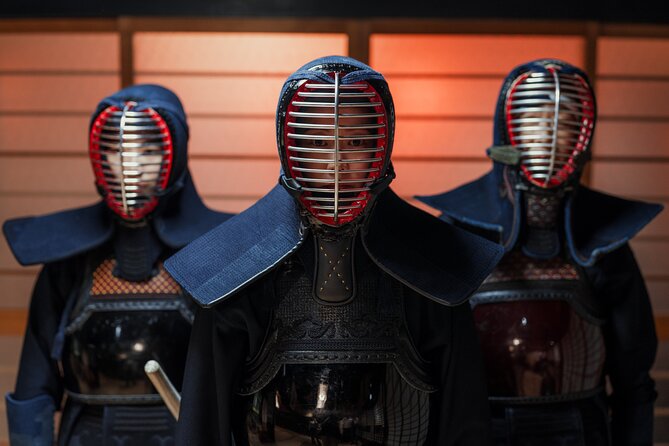
Kendo, one of the Far Eastern martial arts, has maintained its presence from the past to the present and continues to evolve as both a sport and a teaching. Literally meaning "The Way of the Sword" (Ken: Sword, Do: Way), Kendo is a deeply rooted Japanese martial art that aims not only to defeat the opponent, but to train one's own character and mind. How did Kendo journey from the battlefields of centuries ago to today's modern and competitive sports halls?
A Martial Art Born from Samurai Tradition — The History of Kendo
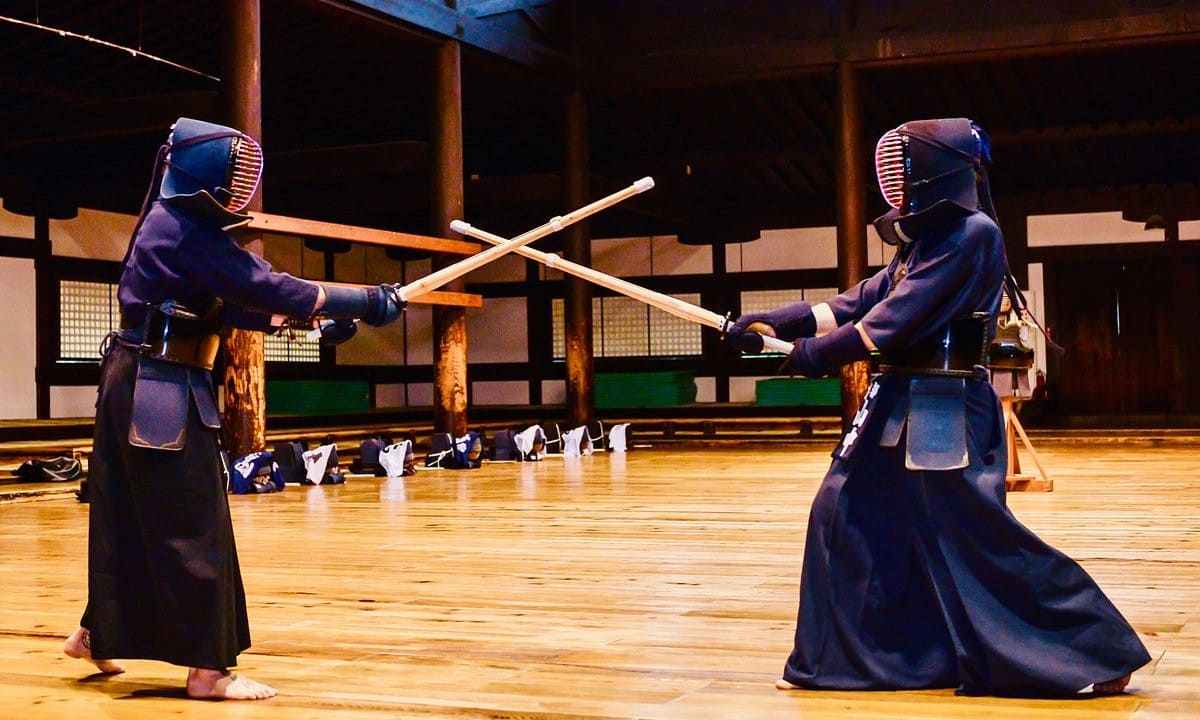
The roots of Kendo date back to the feudal periods of Japan — the era of the legendary samurai. During that time, the art of sword fighting called "Kenjutsu" was the most fundamental requirement for survival. However, with the arrival of a relatively peaceful period in the 18th century, safer methods began to replace the lethal training with real swords.
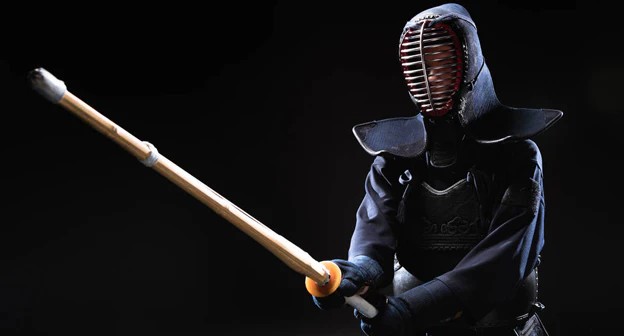
During this transformation, the bamboo sword (Shinai) and protective armor (Bogu) still used in Kendo today were invented. Thus, the art of the sword evolved beyond being merely a combat tactic into a tool for spiritual development that strengthens the body and disciplines the mind. Kendo is a living bridge that carries the unwavering discipline, respect, and focus of the samurai into the modern age.
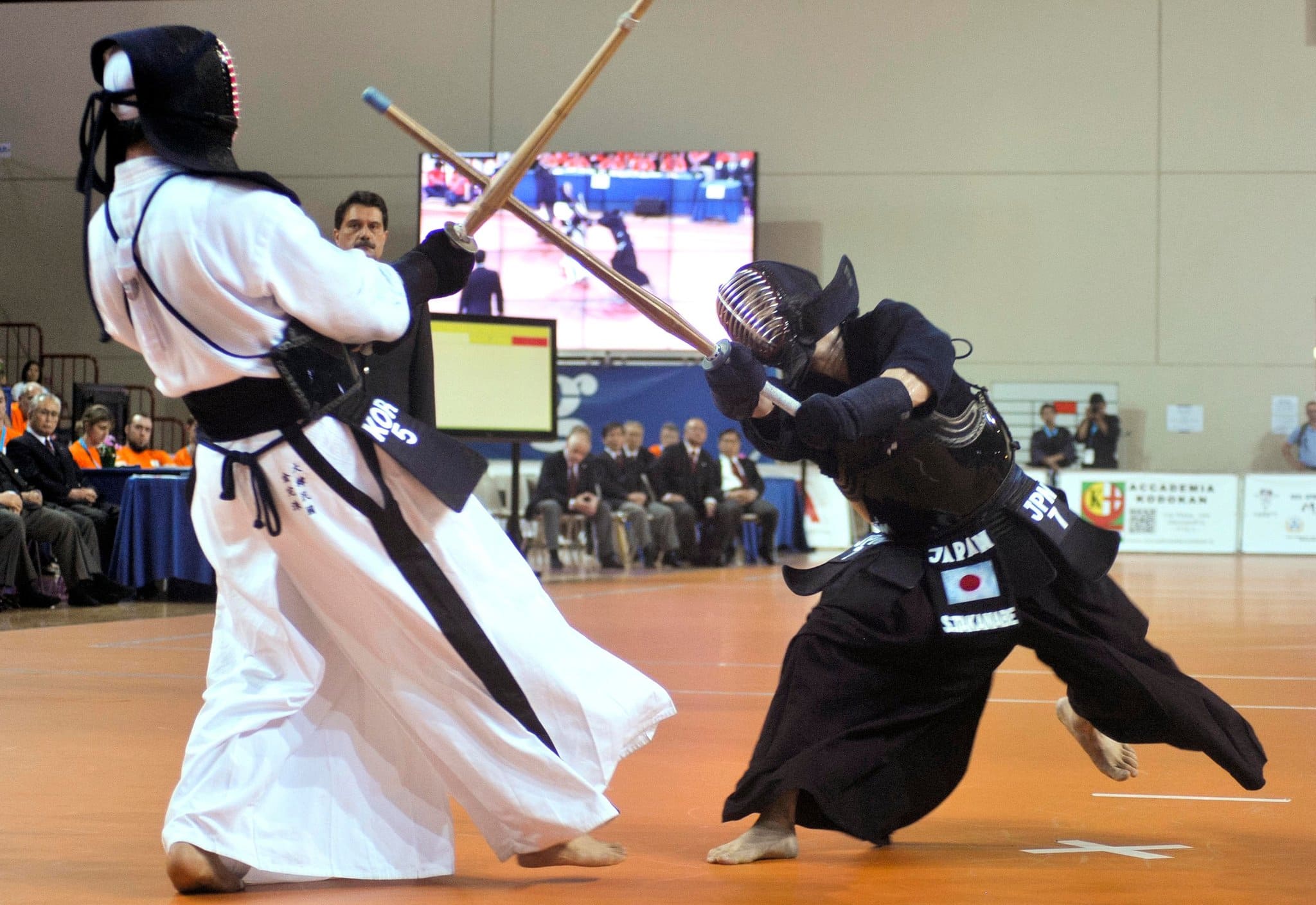
Despite being a traditional heritage of the past, Kendo has not remained static in the modern era. With its rules, international federations, and the massive World Kendo Championships held every three years, it has evolved into a modern and dynamic sport. In these tournaments, speed, timing, and flawless technique are rewarded over brute force.
Modern Kendo and the Kiai Philosophy
Today, Kendo is a moving meditation and educational philosophy. The powerful shouts (Kiai) made during training are not just to intimidate the opponent, but for the practitioner to externalize their inner energy, determination, and courage.
When making a strike, the practitioner shouts the exact name of the target. A sharp "Men!" for a head strike, "Kote!" for the wrist, "Do!" for the torso, and "Tsuki!" for a throat thrust. This ritual represents the Ki-ken-tai-icchi philosophy — the unification of spirit (intention), sword (weapon), and body (movement) locked onto a single target simultaneously.
The Harmony of Body, Mind, and Sword
Kendo is quite comprehensive in terms of health, education, and discipline, while also contributing to the character development of the practitioner.
Physical Development: It improves cardiovascular endurance, dramatically sharpens reflexes, and corrects posture.
Mental Discipline: In a Kendo dojo (training hall), absolute respect is essential regardless of age, gender, or status. It teaches practitioners to remain calm under stress and to live in the moment.
Character Building: The fundamental goal of Kendo is not to defeat the opponent, but to mature one's character by surpassing yesterday's self. Deep courtesy is always shown to opponents.