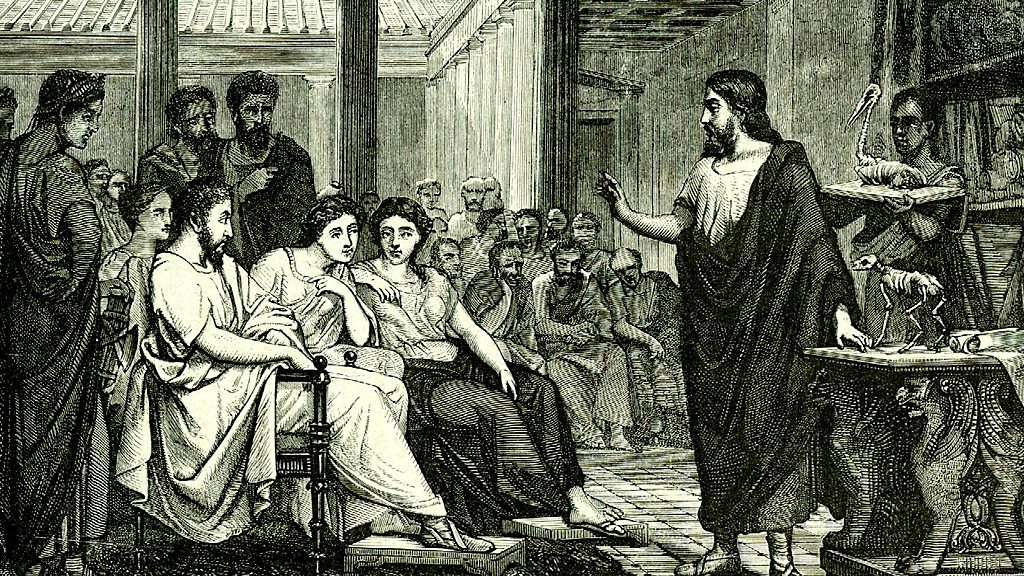
Claudius Galen, commonly known simply as Galen, lived during the Roman Empire and is one of the most inspiring figures in the history of medicine. Regarded alongside Hippocrates as one of the fathers of medicine, Galen was a unique genius who shaped the medical world not only of his own era but of the next 1,500 years. Born in the ancient city of Pergamon (modern-day İzmir, Turkey), what did this legendary physician change in the world of medicine?
From Gladiator Arenas to the Imperial Palace
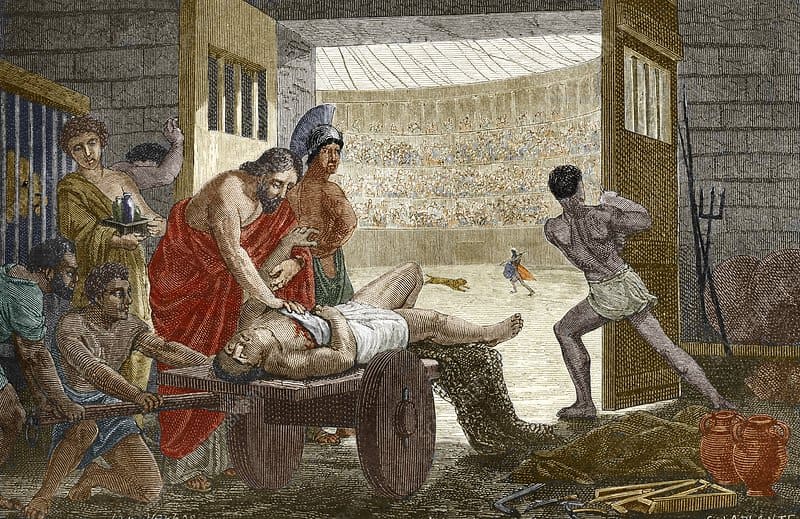
Galen's medical career began in a remarkably harsh and unusual place — the bloody gladiator arenas. While treating the deadly wounds of gladiators, he gained tremendous practical experience with the human body. He described sword wounds as "windows into the body," allowing him to observe firsthand how the muscular and nervous systems functioned.
His extraordinary surgical skill and treatment success quickly reached the highest echelons of Rome. Galen was promoted from gladiator physician to become the chief physician of the legendary Roman Emperor Marcus Aurelius.
Anatomy, Skeleton, and Revolutionary Discoveries
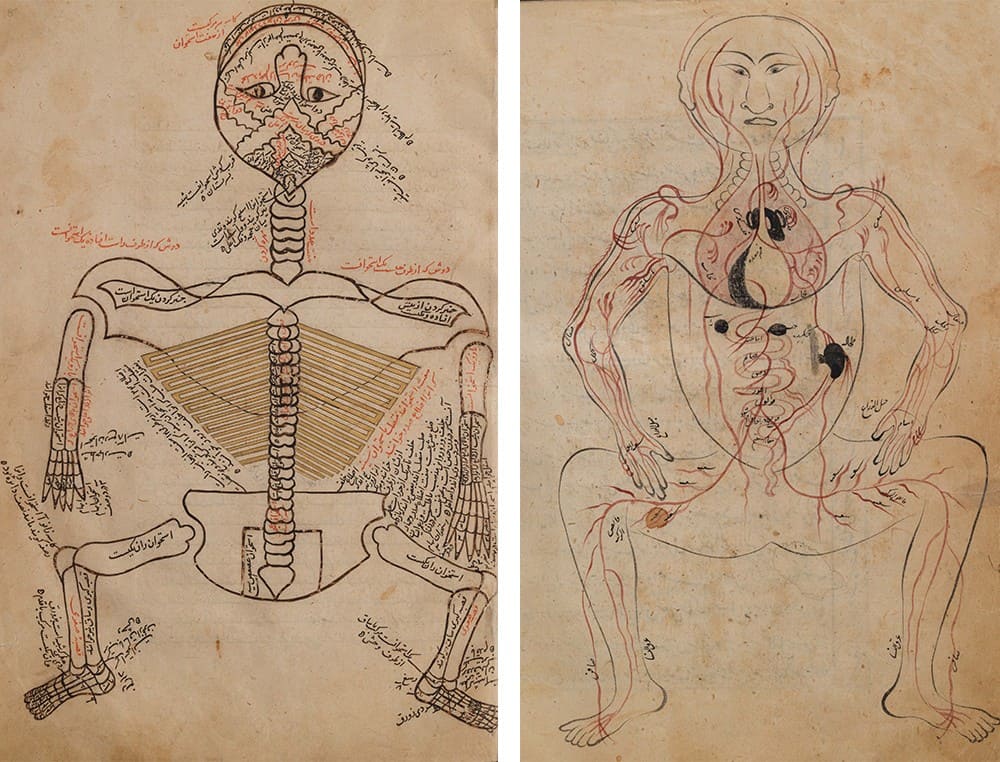
During that era, working on human cadavers was forbidden for religious and cultural reasons. However, Galen was so determined to unlock the mysteries of the human body that he conducted countless examinations on monkeys and pigs to map the skeleton and internal organs. Through this incredible effort, he created some of the first detailed maps of human skeletal structure and anatomy.
Drawing from the healing culture of the legendary Asclepion health center in his hometown of Pergamon, he brought a holistic approach to health. To explain the origins of diseases, he systematized the "Theory of Four Humors" (Humoral Pathology). He argued that the balance between blood, phlegm, yellow bile, and black bile determined both our physical health and psychological character (melancholic, aggressive, etc.).
Galen's Revolutionary Discoveries
- Nervous System and Brain: Galen was the first to prove that the brain was not merely a sponge but the center of thought and movement, and that spinal cord damage leads to paralysis.
- Blood Circulation: He disproved a great myth of the ancient world by demonstrating that veins carry blood, not air.
- Pulse and Diagnosis: He turned counting a patient's pulse into a systematic medical procedure for diagnosing diseases.
- Galenic Pharmacy: In addition to being a skilled surgeon, he was also a talented pharmacist. He formulated and prepared his own medicines from herbal and mineral sources. The science of standardized drug preparation is still called "Galenic Pharmacy" in the medical world today.
Galen's Death and Immortal Legacy
While traditional Roman sources state that Galen died around 200 AD in his seventies, Arabic medical manuscripts discovered later suggest that he was so passionately devoted to science that he lived to age 87 (around 216 AD), continuing to produce works. Although his exact place of death is unknown, it is believed he either passed away in Rome, where he gained great fame, or returned to his homeland of Pergamon.
Despite the limited resources at his disposal, Galen was a pioneer who laid the foundations of modern medicine through observation, experimentation, and unwavering curiosity. Behind many of the fundamental medical principles we benefit from when visiting pharmacies or hospitals today lie the traces of this genius from centuries past. This ancient medical odyssey stretching from İzmir to Rome is one of the greatest legacies to which we owe our health.