
Bones form our body's skeletal structure, protect our organs, and enable movement. Most people don't take bone health seriously until a fracture or osteoporosis diagnosis. Yet bone density peaks around age 30 and gradually decreases afterward. That's why investing in bone health from an early age is critically important.
Calcium: The Building Block of Bones
Calcium is the most important mineral in bone tissue. Adults are recommended to consume about 1000 mg of calcium daily. Dairy products, broccoli, almonds, sardines, and tahini are rich calcium sources. For those with lactose intolerance, fortified plant milks are a good alternative.

Vitamin D: Calcium's Guide
Without vitamin D, your body can't absorb calcium effectively. Sunlight is the most natural source of vitamin D — 15-20 minutes of sun exposure 2-3 times a week may be sufficient. In winter months or if you don't get enough sun, vitamin D supplementation should be discussed with your doctor.
Bone-Strengthening Exercises
- Weight-bearing exercises: Walking, running, stair climbing, and dancing stress bones to strengthen them.
- Resistance training: Weight lifting and resistance band exercises increase bone density.
- Balance exercises: Tai chi and single-leg standing reduce fall risk and prevent fractures.
Factors That Threaten Bone Health
- Smoking: Slows bone cell renewal and increases fracture risk.
- Excessive alcohol: Impairs calcium absorption and accelerates bone loss.
- Sedentary lifestyle: Lack of exercise leads to decreased bone density.
- Excessive caffeine: High amounts of caffeine can increase calcium excretion.
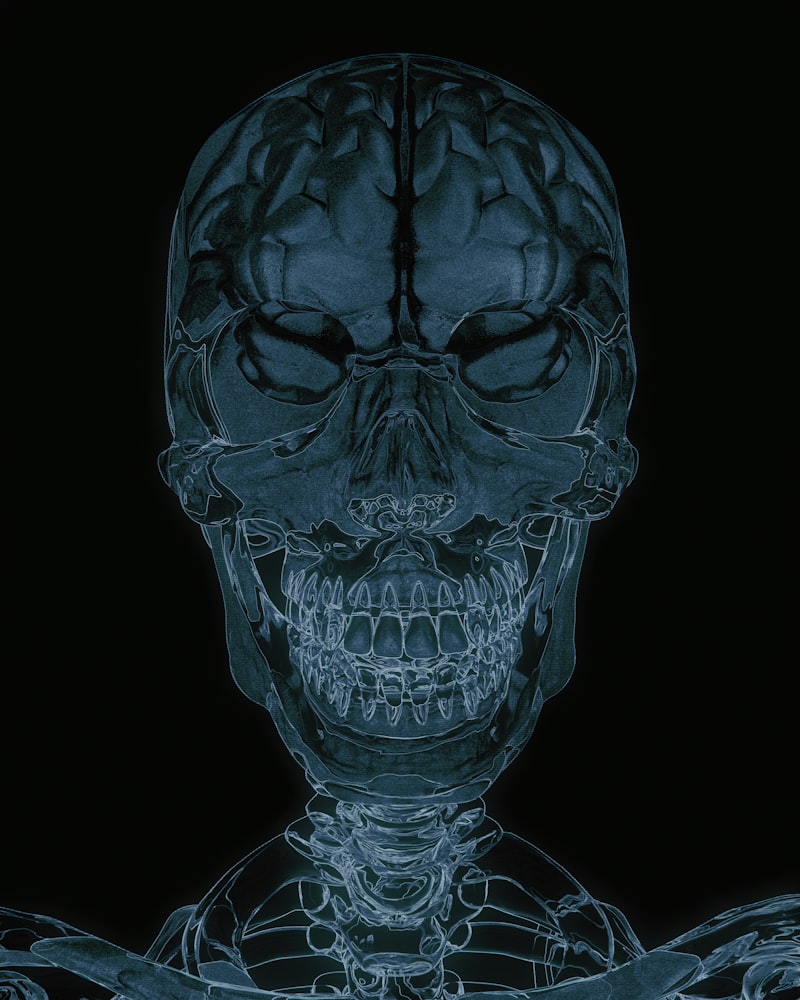
Bone health is an area where small choices you make today create big differences years later. Balanced nutrition, regular exercise, and avoiding harmful habits — these three fundamental practices are the key to keeping your bones strong and healthy.